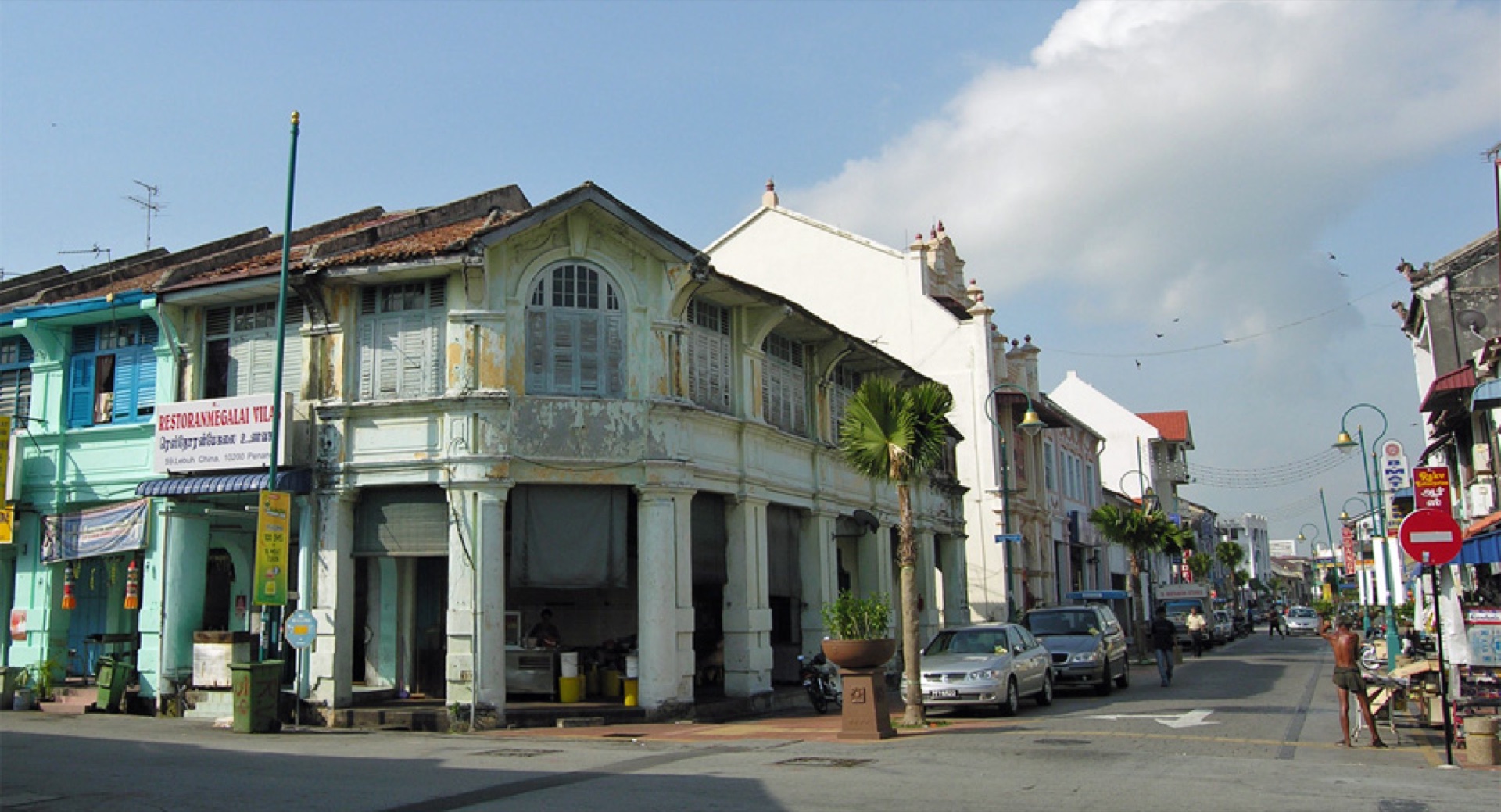
Georgetown is the only place in Penang where a buyer can simultaneously target UNESCO-driven tourist traffic, a deep academic tenant base, and a heritage asset class that simply doesn't exist anywhere else on the island. I tell buyers this upfront: Georgetown is not the cheapest entry point in Penang, but it has the most diversified demand profile of any submarket here. New launches on the fringe start from RM436,000. Core heritage shophouses ask RM1,200–2,000 PSF. If you understand which segment you're playing in, Georgetown makes a compelling case.
Georgetown Property at a Glance (2026)
Direct answer: Georgetown spans entry-level fringe condominiums to premium heritage conservation assets. New launch PSF runs RM600–1,200; sub-sale sits at RM500–950. It suits long-term yield investors, STR operators, and buyers who want an address that holds cultural and commercial weight simultaneously.
| Metric | Georgetown 2026 |
|---|---|
| New launch PSF | RM850–1,850 |
| Sub-sale median PSF | RM500–950 |
| Gross rental yield | 4.0–6.0% (STR: 6–9% reported) |
| Predominant title | Mixed leasehold/freehold; heritage lots mostly leasehold |
| Foreign buyer minimum | RM1,000,000 |
Why People Buy in Georgetown
Georgetown's UNESCO World Heritage City status, gazetted in 2008, is not just a tourism talking point — it has a direct impact on property economics. The core heritage buffer zone limits new supply. You cannot knock down a pre-war shophouse and build a 30-storey tower. That supply constraint is structural, which is why heritage assets in the core zone have held value through multiple property cycles.
Beyond heritage, Georgetown has the deepest short-term rental market in Penang. The cultural tourism draw — clan jetties, street art, hawker culture, colonial architecture — keeps tourist numbers consistent across the year in a way that beach destinations like Batu Ferringhi simply cannot match. I've seen commercial-titled boutique units in Georgetown post occupancy rates that would embarrass beachfront properties, particularly during shoulder months when Batu Ferringhi quietens down.
The long-term rental story is equally compelling, and I think it gets underrated. USM's Health Campus, Penang Medical College, Gleneagles, Island Hospital, and Penang General Hospital create a permanent cohort of medical students, registrars, and healthcare professionals who need housing within commuting distance. These are high-quality tenants on fixed-term contracts. In my experience, Georgetown's academic and medical tenant base means vacancy periods are shorter here than in purely residential-lifestyle suburbs.
Georgetown is also increasingly a digital nomad address. The combination of heritage cafes, fast fibre, affordable food, and a walkable streetscape makes it genuinely competitive with Chiang Mai and Bali for the remote-work demographic. This adds another layer of medium-term rental demand that didn't meaningfully exist five years ago.
The honest downside: parking is a constant problem in the core zone. Traffic on the heritage fringe during peak tourist periods can be genuinely frustrating. And if you're buying in a heritage conservation building, be prepared for higher maintenance costs and restrictions on what you can alter. Georgetown rewards patient, informed buyers — it punishes people who buy without understanding the title and building type.
Current PSF Benchmarks
| Segment | PSF Range | Notes |
|---|---|---|
| New launch condominiums (fringe) | RM850–960 | Jelutong border and Penang Hill buffer areas |
| New launch boutique (heritage fringe) | RM1,290–1,850 | Smaller developments with heritage adjacency |
| Sub-sale condominiums | RM500–800 | Varies significantly by age and location |
| Sub-sale boutique / serviced | RM700–950 | Commercial title commands a premium |
| Heritage shophouses (core zone) | RM1,200–2,000 | Asking prices; conservation costs are real |
PSF figures are based on PropertyGuru and iProperty asking prices and typically run 5–15% above transacted values. Heritage shophouse figures reflect the active asking market and are not NAPIC-sourced.
Active New Launches in Georgetown (2026)
Scott @ Logan is one of the more interesting entries in this cycle — freehold title in a heritage fringe location, from RM436,000. Freehold stock in Georgetown is genuinely scarce, particularly at this entry price. This suits owner-occupiers and investors who want the Georgetown address without committing to the upper-end bracket. The boutique scale means a smaller resident community and potentially more flexibility on house rules, which matters if STR is in your plans.
G'Vinton enters from RM596,000 on freehold tenure. Freehold at this price tier in Georgetown positions it for buyers stepping up from the entry bracket who want to retain title quality. Worth a look if the unit mix suits your use case.
Noordinz Suites comes in from RM683,000 on freehold tenure. Freehold in Georgetown at this price range is genuinely notable — most comparable product in the area is leasehold. Suites format. Verify house rules and STR restrictions directly before committing.
Lumina Residence is the top-end new launch in this set, from RM1,030,000 on freehold tenure — by VST Properties and BSG. As a boutique freehold residence at this price point, it targets the upper-owner-occupier and premium investor segment. At RM1M+ it also clears the foreign buyer threshold, making it one of the few Georgetown new launches technically accessible to foreign purchasers.
Check if Georgetown is within your budget →DSR-based affordability ceiling using current rates.The Sub-Sale Market
Georgetown's sub-sale market is genuinely mixed — heritage shophouses (often leasehold, restoration-dependent) sit alongside modern freehold condominiums. This is where the area's true depth lives, since new launch supply is structurally constrained.
| Tier | Typical sub-sale PSF | Example projects |
|---|---|---|
| Mid-tier freehold suites/condo | RM700–950 | Beacon Executive Suites |
| Accessible freehold sub-sale | RM500–700 | Ladison Residence |
| Heritage shophouses (core zone) | RM1,200–2,000 (land basis) | Highly variable, restoration-dependent |
For sellers: Georgetown's mixed tenure and diverse buyer pool means RPGT timing decisions can be nuanced — heritage-oriented foreign buyers, STR investors, and local owner-occupiers all bid on different value axes. The RPGT calculator helps model your specific position.
Schools and Healthcare Proximity
Schools:
- Convent Light Street and multiple national primary/secondary schools within Georgetown
- Chung Ling High School accessible
- Penang Medical College — draws academic tenant demand
- International school families typically commute to Tanjung Tokong (Uplands, Dalat) — 20–30 minute drive
Healthcare:
- Penang General Hospital — within the area
- Gleneagles Penang, Island Hospital, Loh Guan Lye — 10–15 minute drive to Pulau Tikus cluster
- Adventist Hospital — accessible
Georgetown has genuinely good hospital access; foreign retirees often base themselves here specifically for this reason combined with heritage lifestyle.
Walking-Distance Amenities (The Saturday Morning Test)
From most central Georgetown residences, within a 15-minute walk:
- Heritage core streets — Armenian, Chulia, Muntri, Beach Street
- Hin Bus Depot weekend market and F&B
- UNESCO shophouse F&B, kopitiams, coffee culture
- Multiple hawker centres (Kimberley Street, Chulia Street night hawkers)
- Boutique galleries, bars, and cultural venues
- Bookshops and independent retail
Georgetown wins the walkability test decisively over almost every other Penang Island area.
Infrastructure Catalysts (5-Year Outlook)
Tourism recovery and growth. Sustained international and domestic visitor growth supports the STR economy and the F&B infrastructure that anchors Georgetown's lifestyle positioning.
Digital nomad and remote worker inflow. Georgetown has become genuinely competitive with Chiang Mai and Bali for the digital nomad segment. This adds medium-term rental demand that didn't meaningfully exist five years ago.
UNESCO buffer zone protection. New residential supply in the core heritage zone is structurally constrained — this supports pricing on existing stock over time.
Headwind: Parking, congestion during festivals and peak tourism periods, and heritage building maintenance costs are real ongoing considerations.
Buyer Profile Fit
✓ Heritage-culture lifestyle buyer — Walking to a kopitiam, weekend gallery visits, cultural texture.
✓ STR / Airbnb investor — Penang's strongest STR market. Verify project house rules first.
✓ Digital nomad or remote worker — Cafés, community, cost of living, fast internet.
✓ Foreign retiree wanting cultural address — Heritage + healthcare + walkability combined.
✗ Not the right fit: buyers wanting quiet residential character (Pulau Tikus is better), those needing parking-dependent daily logistics, or families dependent on international school catchment without commute tolerance.
Georgetown vs Jelutong — The Real Trade-Off
Jelutong is Georgetown's closest comparable and the area many buyers pivot to when Georgetown pricing feels stretched. Here's how I frame the comparison for buyers:
| Factor | Georgetown | Jelutong |
|---|---|---|
| Entry price (new launch) | From RM436K | From RM300K range |
| Heritage and cultural premium | High — UNESCO status | Low — functional residential |
| STR / Airbnb potential | Strong (commercial-title units) | Limited demand |
| Academic / medical tenant pool | Deep (USM, Penang Medical College) | Moderate |
| Parking and traffic | Constrained, especially core zone | More manageable |
| New supply volume | Limited by conservation rules | Higher pipeline |
| Long-term capital thesis | Supply-constrained appreciation | Volume-driven market |
The honest read: Jelutong gives you more square footage per ringgit and easier daily living logistics. Georgetown gives you a demand profile — from tourists, nomads, academics, and medical professionals — that Jelutong simply cannot replicate. They're not competing for the same buyer.
If your primary goal is yield diversification or an STR-capable asset, Georgetown wins. If your primary goal is owner-occupation or simple long-term rental at the lowest entry, Jelutong may serve you better.
For more on how the LRT corridor affects nearby property prices, that context is relevant to the Jelutong-Georgetown fringe where infrastructure access continues to evolve.
Zac’s Take
Zac Ong
Georgetown is the one Penang submarket where I think the STR thesis has genuine structural support — not speculative enthusiasm, but real supply constraints and diversified demand. That said, I'm cautious about buyers who treat every Georgetown unit as an automatic STR play. Residential-titled condominiums with active JMBs will enforce long-term-only rules, and I've seen buyers get caught out by this. My honest advice: if STR is your primary income strategy, verify the title and building rules before you sign anything, not after. For long-term hold investors, Georgetown's supply constraint from UNESCO conservation makes a compelling capital appreciation argument that few other Penang areas can match.
Who Georgetown Suits
- STR investors targeting commercial-titled boutique units in a high-tourism-traffic location
- Long-term yield investors wanting a diverse tenant base (medical, academic, professional)
- Owner-occupiers who value a walkable, culturally rich urban lifestyle
- Foreign buyers at or above the RM1M threshold looking for a globally recognisable address
- Buyers who understand heritage property constraints and want supply-limited asset exposure
- Digital nomad landlords targeting medium-term furnished lets
Georgetown is not the right fit for: buyers who need large carparks or value car-centric living; investors expecting straightforward STR without doing title due diligence; buyers prioritising maximum square footage per ringgit; or anyone uncomfortable with the maintenance profile and regulatory restrictions of heritage conservation properties.
Georgetown rewards buyers who understand what they're buying and why. The demand story is genuinely multi-layered — tourism, academia, healthcare, digital nomads — and the supply story is structurally constrained in a way that most Penang suburbs are not. Get the title right, understand the building rules, and Georgetown has one of the most defensible demand profiles on the island.
Sources: Project prices, PSF, sizes, unit counts, tenure, land title, developer and completion year from our tracked dataset, compiled from developer price lists, official project sites and public listings. Sub-sale asking verified from live portal listings using the median-anchored method, with bait listings and relisted units excluded. RPGT rates and the s.21B retention per the Real Property Gains Tax Act (LHDN). The foreign-buyer minimum purchase price, 3% island / 2% mainland state levy and state consent requirement per Penang state policy and s.433B of the National Land Code. Rental yields derived from our own tracked asking rents and prices — directional, not an official benchmark. Transaction benchmarks per NAPIC/JPPH. Figures move with the market — confirm current details with the developer or your solicitor before committing.